Case Study: Ghizaayat Ghar — Premium Panjeeri (E-commerce)
Ghizaayat Ghar was a seasonal e-commerce store selling premium panjeeri , Desi foods— a traditional winter nutrition food made with high-quality nuts and ingredients. With a 3-month winter selling window and a product priced above budget competitors, the challenge wasn’t just running ads — it was proving why premium was worth it.


The Strategy
- Phase 1 (Nov – first 1.5 months): 60% budget on awareness, 40% on sales — built custom audiences, educated people on ingredient quality, and collected real customer reviews to build trust
- Location testing: Ran ads nationally, then identified Islamabad and Kashmir as highest-intent regions — shifted to 80% budget there, 20% held for testing new locations
- Keyword testing: Tested 10 keywords in batches of 3 to find what actually drove intent
- Creative testing: Iterated on ad creative based on performance before scaling
- Phase 2 (2 months): Shifted fully from awareness to sales-focused campaigns to convert the audience built in Phase 1
The Challenge
- Premium, high-quality ingredients meant our production cost matched competitors’ selling price — a tough position to market from
- Needed to prove superior quality and health value in a short 4-month winter selling season
- Highly seasonal product with a narrow window to build both awareness and sales
The Results
- PKR 200,000 invested (all expenses included)
- PKR 320,000 profit generated over the 3-month season
- Turned a premium-cost product into a profitable seasonal business by building trust before asking for the sale
Case Study: Home & Lifestyle Products (E-commerce)
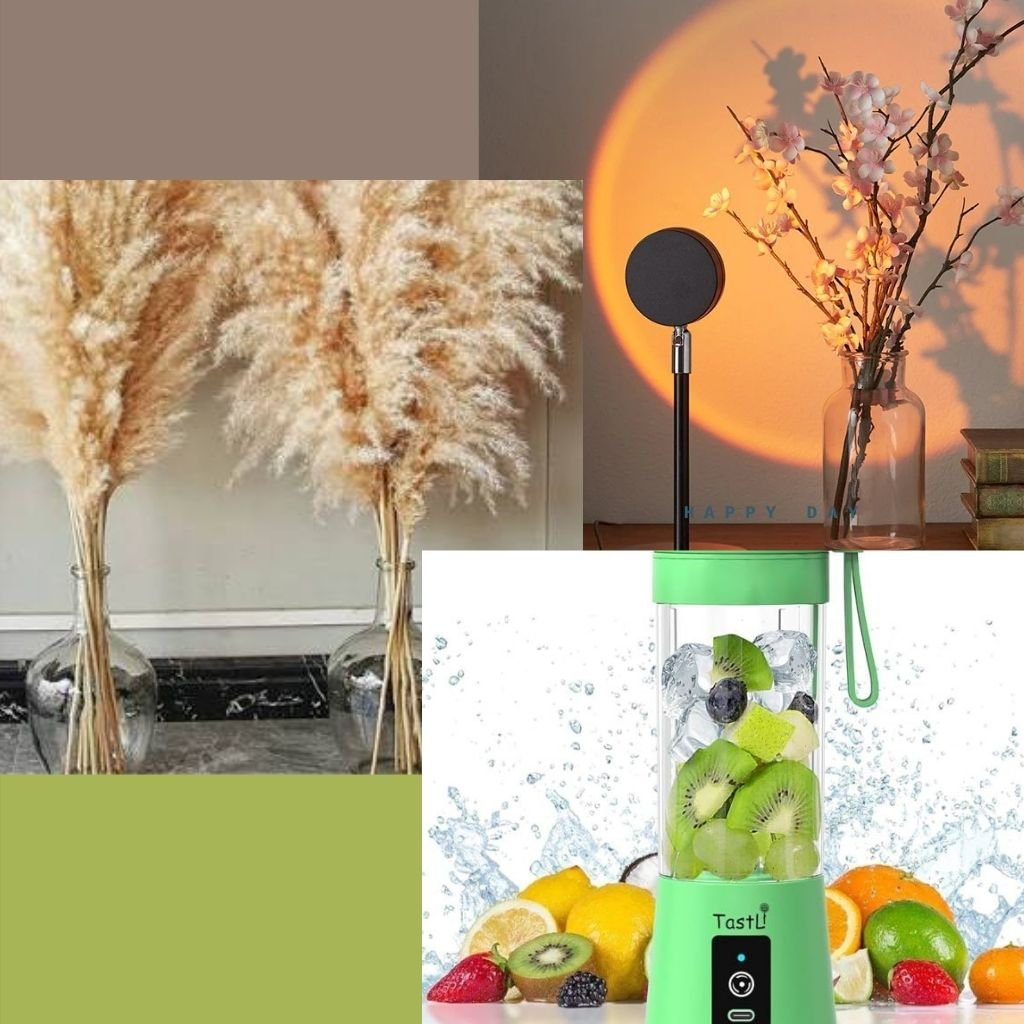
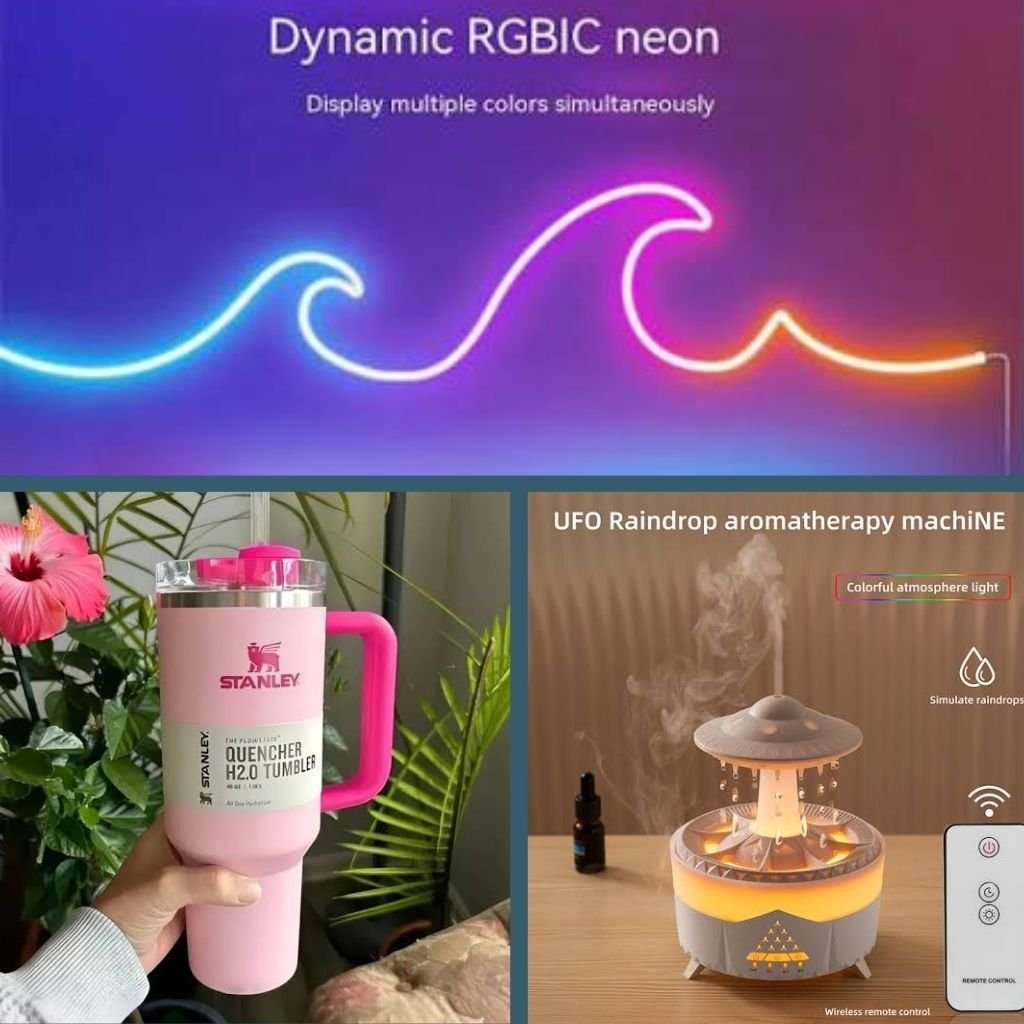
A home niche store selling trending decor, kitchen gadgets, and everyday-use products — from ambient lighting (Sunset Projection Lamps, Galaxy Projectors) to kitchen tools (Stanley Tumblers, Roti Makers, USB Blenders).
The Strategy — Product Research First
Instead of guessing what might sell, every product was validated before listing:
- Studied competitor ads directly from the Facebook feed — checking how long an ad had been running (a strong signal of profitability)
- Analyzed engagement levels and comment sentiment to gauge real buyer interest
- Checked sourcing difficulty — prioritizing products that were easy to get but not easily available in local markets
- Only launched products that passed all three checks
Campaign Approach
- Ran lean, low-budget Meta campaigns — total monthly cost (ads + product + shipping) kept to PKR 10,000–15,000
- Focused spend on proven demand signals from research rather than broad testing
- Prioritized fast-moving, low-competition products within the niche
The Results
- PKR 10,000–15,000 total monthly cost
- PKR 30,000–40,000 net profit per month
- Sustained for 6 months of consistent, profitable operation
Store was eventually shut down — not from losses, but from hitting a scaling ceiling: the low-budget, manual research model that made it profitable didn't translate into a system that could scale further
Case Study: Bike & Car Accessories (E-commerce)
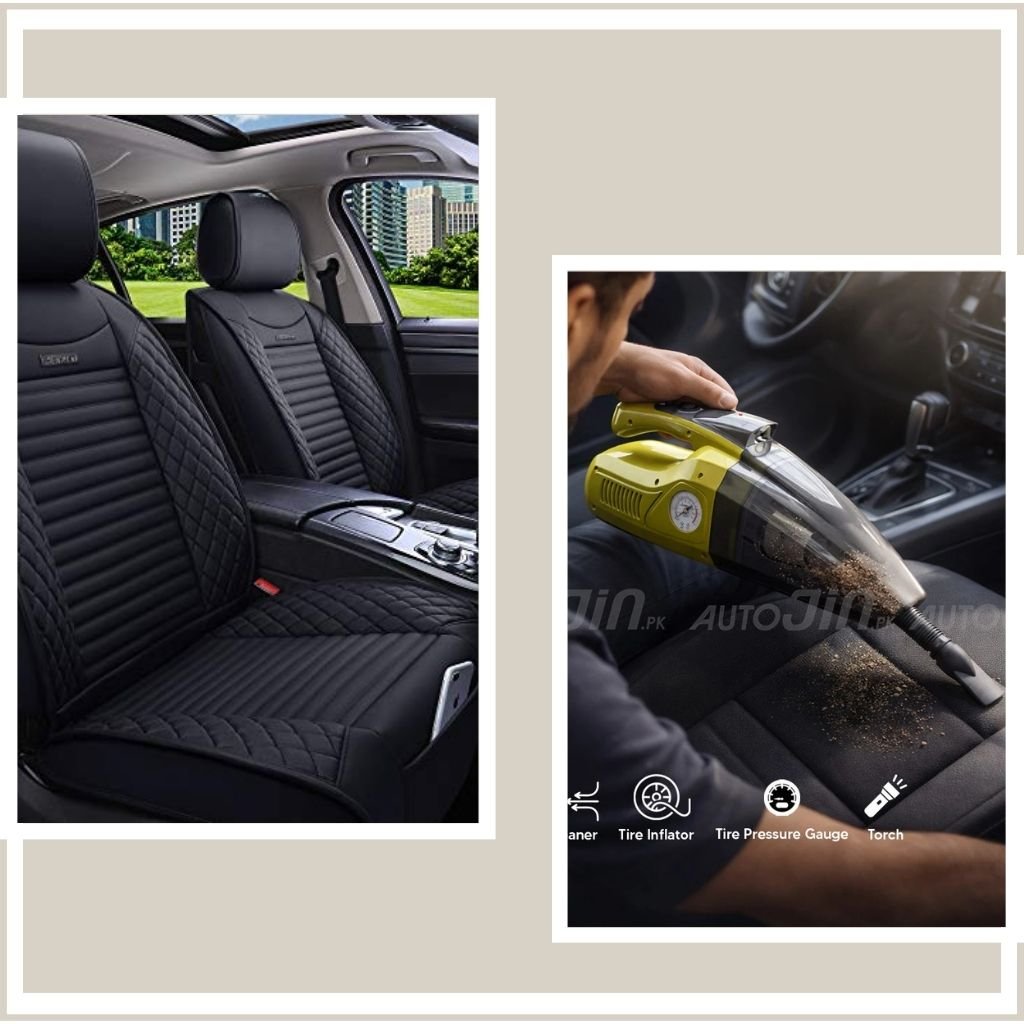
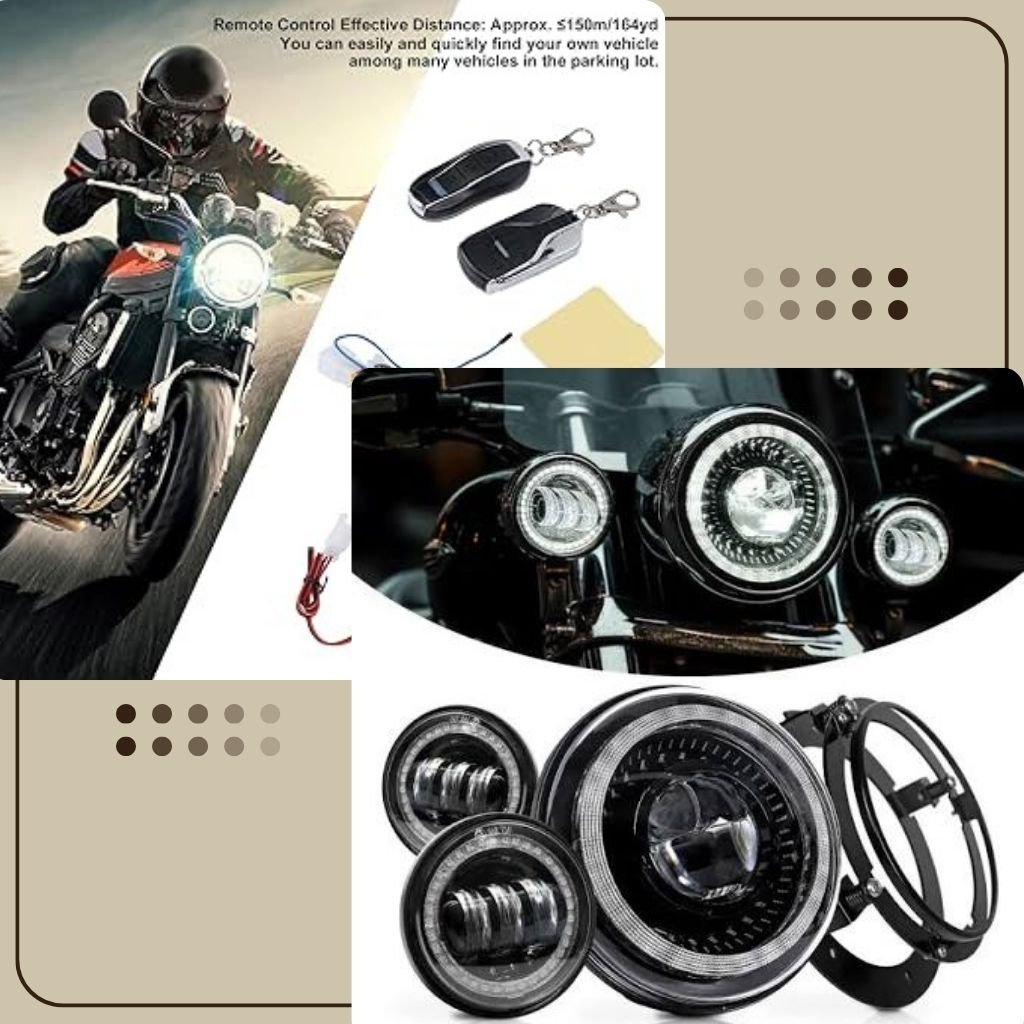
A store built around bike and car accessories, starting with anti-theft and security items after spotting strong early demand in that category.
The Strategy
- Started small: tested a single anti-theft product with PKR 4,000 ad spend
- That test alone generated PKR 60,000 in sales off a PKR 15,000 total investment — strong enough signal to justify building a full store
- Expanded into a full bike & car accessories catalog once the first product proved demand
- Categorized products by type and ran catalog-style ads based on category rather than single-product ads
- Targeted bike and car owners as the core audience across campaigns
The Challenge
- Niche, specific audience (bike and car owners) rather than a broad consumer market
- Needed to validate demand before committing to a full store build
The Results
- Initial product test: PKR 15,000 invested → PKR 60,000 in sales
- Full store (5 months): ~2.3x ROAS with a 45% conversion rate
- Store was eventually closed — not from losses, but because margins had thinned to the point of only covering running costs, without room to scale further
The Lesson
The single-product test-before-you-invest approach worked — it’s the reason the store launched with real evidence of demand instead of a guess. But once scaled to a full catalog, thin margins in a competitive accessory market meant the business stayed profitable without becoming truly scalable.
Case Study: Home & Lifestyle Products (E-commerce)
A home niche store selling trending decor, kitchen gadgets, and everyday-use products — from ambient lighting (Sunset Projection Lamps, Galaxy Projectors) to kitchen tools (Stanley Tumblers, Roti Makers, USB Blenders).
The Strategy — Product Research First
Instead of guessing what might sell, every product was validated before listing:
- Studied competitor ads directly from the Facebook feed — checking how long an ad had been running (a strong signal of profitability)
- Analyzed engagement levels and comment sentiment to gauge real buyer interest
- Checked sourcing difficulty — prioritizing products that were easy to get but not easily available in local markets
- Only launched products that passed all three checks
Campaign Approach
- Ran lean, low-budget Meta campaigns — total monthly cost (ads + product + shipping) kept to PKR 10,000–15,000
- Focused spend on proven demand signals from research rather than broad testing
- Prioritized fast-moving, low-competition products within the niche
The Results
- PKR 10,000–15,000 total monthly cost
- PKR 30,000–40,000 net profit per month
- Sustained for 6 months of consistent, profitable operation